A facility manager at a manufacturing plant recently faced an unexpected challenge. After a period of heavy rainfall, several leaks appeared inside the building, disrupting operations and requiring immediate attention.
When contractors eventually assessed the roof, they discovered that the damage had been developing for months. Minor cracks, deteriorating materials, and drainage issues had gradually worsened without anyone noticing.
The biggest concern wasn’t the damage itself. It was the fact that the warning signs had gone unnoticed for so long.
This scenario highlights a common issue across residential, commercial, and industrial properties: roofs are difficult to monitor consistently, making it easy for small problems to evolve into costly repairs.
The Challenge of Monitoring Roof Conditions
Unlike other parts of a building, roofs are rarely inspected on a regular basis. Most property owners only think about them when visible issues begin affecting the interior of the structure.
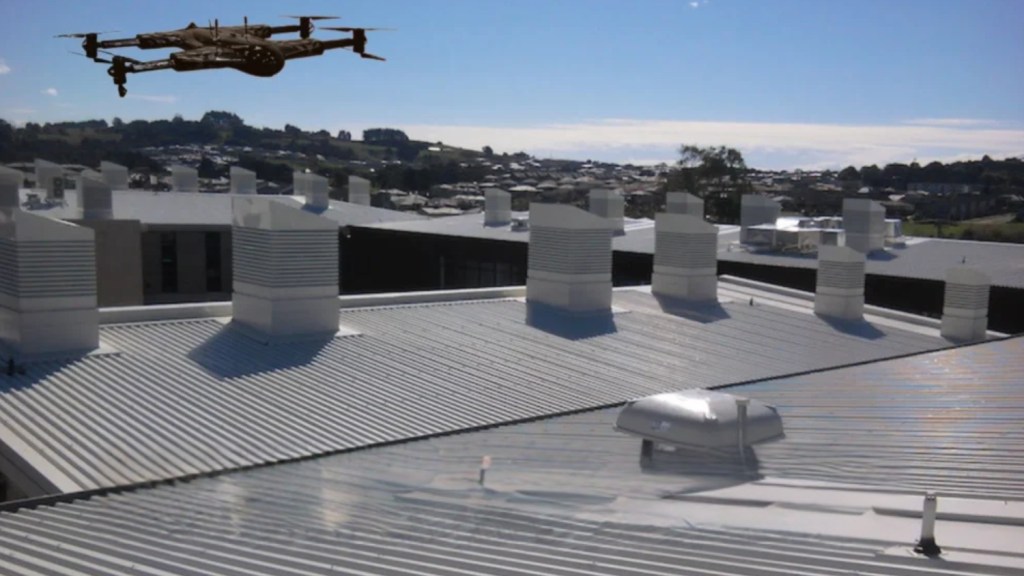
Traditional inspection methods often require personnel to climb ladders, walk on elevated surfaces, and manually assess large roof areas. While these inspections remain important, they can be time-consuming, potentially hazardous, and difficult to perform frequently.
Large facilities face an even greater challenge. Warehouses, distribution centers, manufacturing plants, and commercial complexes may have thousands of square feet of roofing that require evaluation.
As a result, many organizations operate reactively, addressing roofing issues only after damage becomes apparent.
What Are Drone Roof Surveys?
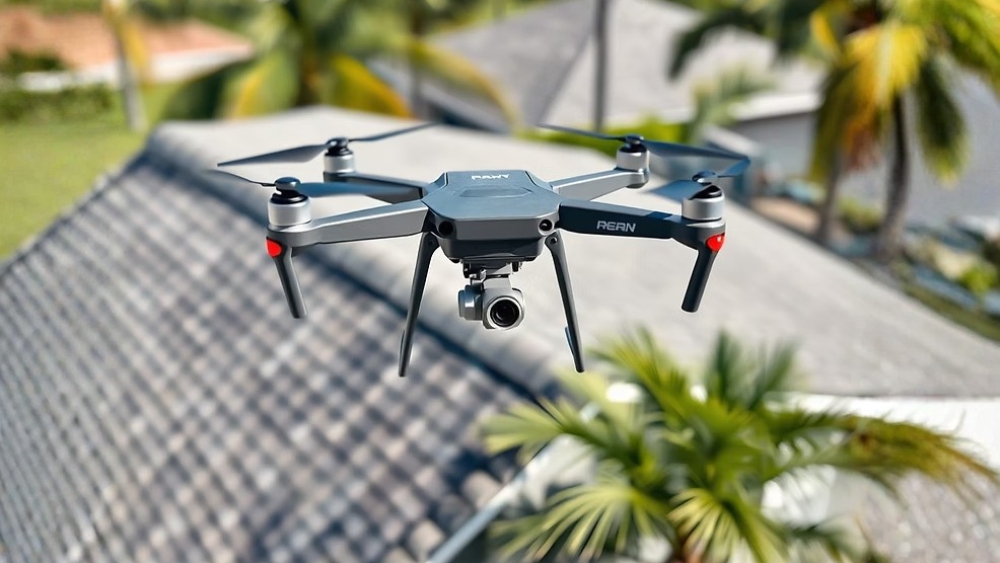
Drone roof surveys are a modern approach to evaluating roof conditions using unmanned aerial vehicles equipped with advanced imaging technology.
Instead of relying solely on manual inspections, drones capture detailed aerial imagery that provides a comprehensive view of the roof’s condition.
A drone roof survey typically involves collecting visual data from multiple angles, allowing inspectors and property stakeholders to identify visible concerns more efficiently.
In simple terms, drone roof surveys help create a clearer understanding of roof conditions without requiring extensive physical access to the structure.
Why Drone Roof Surveys Matter
Early visibility is one of the most important factors in effective building maintenance.
When roofing issues are identified early, property owners often have more flexibility in planning maintenance, budgeting for repairs, and preventing larger problems from developing.
Drone roof surveys support this goal by helping teams gather detailed information about roof conditions before visible interior damage occurs.
Common issues that may be identified during a survey include:
- Missing or damaged roofing materials
- Areas of wear and deterioration
- Ponding water and drainage concerns
- Storm-related damage
- Debris accumulation
- Surface irregularities that may require further investigation
By improving visibility into roof conditions, surveys help support more informed maintenance decisions.
Practical Applications Across Different Industries
The use of drone roof surveys extends far beyond routine inspections.
Commercial Property Management: Property managers often oversee multiple buildings and need efficient ways to monitor asset conditions. Aerial surveys provide visual documentation that can support long-term maintenance planning.
Industrial Facilities: Large industrial roofs can be difficult to inspect manually. Drone-based surveys help teams review extensive roof surfaces while minimizing operational disruptions.
Insurance Assessments: Following severe weather events, aerial imagery can assist with documenting visible roof conditions and supporting damage evaluations.
Construction and Renovation Projects: Roof surveys can help project teams assess existing conditions before repairs, upgrades, or redevelopment work begins.
These applications demonstrate how aerial inspection technology is becoming an increasingly valuable tool across multiple sectors.
The Growing Role of Data-Driven Roof Assessment
The rise of drone technology reflects a broader shift toward data-driven facility management.
Organizations today are seeking more accurate, accessible, and repeatable ways to evaluate infrastructure conditions. Rather than relying solely on periodic physical inspections, many are incorporating aerial imagery and digital records into their decision-making processes.
Companies such as DaaS are part of this ongoing evolution, supporting industries that use aerial data solutions to improve inspection workflows, infrastructure visibility, and operational awareness.
The emphasis is not simply on collecting images but on creating actionable information that helps stakeholders better understand the condition of their assets.
Why Drone Roof Surveys Are Becoming More Relevant
Several industry trends are contributing to the growing adoption of drone-based inspection methods.
Buildings are becoming larger and more complex. Maintenance teams are under increasing pressure to improve efficiency. Property owners are looking for ways to reduce unexpected repair costs and make more informed decisions.
At the same time, advances in drone technology continue to improve image quality, accessibility, and data collection capabilities.
As these trends continue, drone roof surveys are likely to become a more common part of building maintenance and asset management strategies.
Final Thoughts

Roof damage rarely appears without warning. In many cases, the signs are present long before leaks, water intrusion, or structural concerns become visible inside a building.
The challenge has always been gaining timely insight into roof conditions before small issues become major expenses.
Drone roof surveys help address this challenge by providing a practical way to collect detailed visual information, improve inspection efficiency, and support proactive maintenance planning. As organizations continue to embrace technology-driven asset management, aerial roof surveys are becoming an increasingly valuable part of modern building evaluation practices.
 Drone Insights Business
Leave a comment