The Growing Challenge in Traditional Roof Inspections
Roof inspection has always been one of the most essential yet difficult parts of building maintenance, especially for residential complexes, commercial buildings, and industrial infrastructure. Traditionally, roof inspection services rely on manual methods such as ladders, scaffolding, or physical climbing by inspectors.
While these approaches have been used for decades, they come with clear limitations:
- Safety risks for inspectors working at height
- High labor and equipment costs
- Limited visibility in complex roof structures
- Time-consuming inspection processes
- Difficulty accessing damaged or fragile areas
In large-scale infrastructure such as commercial roofs or industrial warehouses, these challenges become even more significant. This is where the need for more advanced, efficient, and safer inspection methods has led to the rise of drone roof inspection technologies.
What Is Drone Roof Inspection?
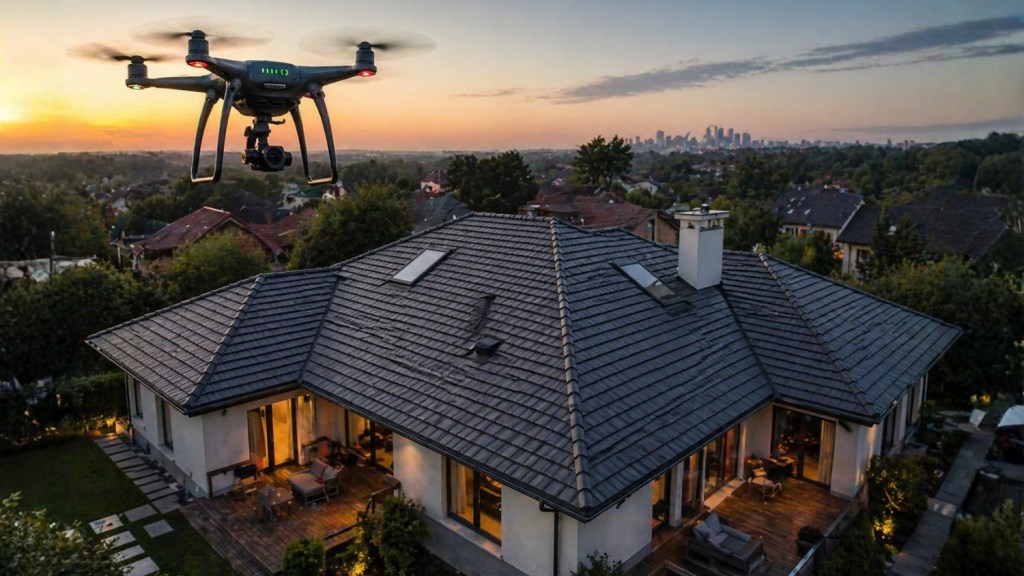
A drone roof inspection refers to the use of unmanned aerial vehicles (UAVs) equipped with high-resolution cameras and sensors to assess the condition of roofs without physical contact.
Instead of manually climbing structures, inspectors use a roof inspection drone or aerial drone roof inspection system to capture detailed images and videos from multiple angles. These drones can also include thermal imaging capabilities, allowing detection of hidden issues such as:
- Water leakage beneath roofing layers
- Heat loss in insulation systems
- Moisture accumulation
- Structural weak points
In simple terms, a drone for roof inspection replaces risky manual inspection with fast, data-driven aerial analysis.
A modern drone roof survey inspection provides a complete visual map of the roof, often in real time, helping engineers and property owners make faster and more accurate decisions.
Why Drone Roof Inspections Matter in Modern Infrastructure
The demand for drone roof inspection services is increasing globally due to several practical advantages that align with modern construction and maintenance needs.
Enhanced Safety: The most immediate benefit is safety. Inspectors no longer need to physically climb roofs, reducing workplace accidents significantly. This is especially important for:
- High-rise buildings
- Sloped or unstable roofing structures
- Damaged or weather-affected roofs
Improved Accuracy: Aerial drone roof inspection allows high-resolution imaging that captures details often missed by human inspection. Cracks, drainage issues, and surface degradation can be detected with precision.
Cost Efficiency: By reducing labor requirements and inspection time, drone roof inspections lower operational costs for both service providers and clients.
Speed and Scalability: A drone can inspect a large commercial roof in minutes instead of hours or days. This makes it ideal for:
- Commercial roof inspection
- Industrial facilities
- Multi-building housing complexes
Real-World Applications of Drone Roof Inspection Technology
Drone-based inspections are not limited to simple roof checks. They are now integrated into broader construction and maintenance workflows.
Residential Roof Inspection Services: Homeowners use drone roof inspection services to assess damage after storms, aging roofs, or suspected leaks. It eliminates the need for physical climbing and provides visual proof for insurance claims.
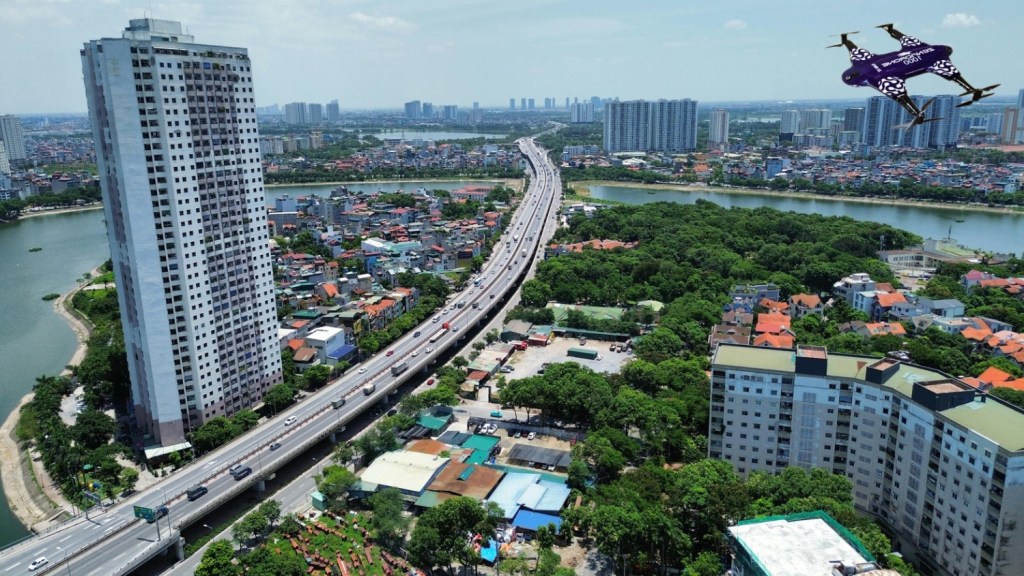
Commercial Roof Inspection: Large warehouses, malls, and office buildings benefit from commercial roof inspection using drones because of their large surface areas and complex structures.
Drone Thermal Roof Inspection: One of the most advanced applications is drone thermal roof inspection, which uses infrared sensors to detect hidden heat and moisture issues that are invisible to the naked eye.
Construction and Maintenance Planning: Contractors use drone roof survey inspection data to plan repairs, estimate costs, and track roof conditions over time.
Insurance Assessments: Insurance companies increasingly rely on drone roof inspection services to validate claims with visual evidence, reducing disputes and fraud risks.
How Drone Roof Inspection Works in Practice
A typical aerial drone roof inspection process involves several steps:
- Planning the Flight Path
The inspection area is mapped to ensure full coverage. - Drone Deployment
A roof inspection drone is flown over the structure, capturing high-resolution images and videos. - Data Collection
The drone gathers visual, thermal, and sometimes 3D mapping data. - Analysis and Reporting
Specialized software processes the data to identify issues and generate reports. - Decision Making
Property owners or engineers use the report for maintenance or repair decisions.
This structured process makes drone roof inspections significantly more efficient than traditional manual methods.
The Role of DaaS in Modern Drone Inspection Ecosystems
As drone technology becomes more integrated into infrastructure management, companies like DaaS are part of the broader shift toward data-driven aerial inspection solutions.
Within the industry context, DaaS represents how drone-based systems are evolving beyond simple imaging tools into structured data services that support industries such as construction, roofing, and urban planning.
In practical terms, this shift means drone roof inspection is no longer just about capturing images—it is about generating actionable insights from aerial data. Platforms and service providers in this ecosystem help standardize aerial inspection workflows, making them more reliable and scalable across different sectors.
Why Drone Roof Inspections Are Becoming the Industry Standard
The adoption of drone roof inspection technology is accelerating due to several long-term industry trends:
Digital Transformation in Construction: The construction and maintenance industry is increasingly adopting digital tools, and drone inspection is a key part of this transformation.
Demand for Faster Reporting: Clients now expect faster turnaround times for inspection reports. Drone-based systems deliver results within hours instead of days.
Integration with AI and Mapping Systems: Modern aerial drone roof inspection systems are often combined with AI analysis tools that automatically detect defects, measure damage, and predict maintenance needs.
Regulatory and Safety Improvements: As safety regulations become stricter, companies are moving toward safer inspection methods that reduce human risk exposure.
Future Outlook of Drone Roof Inspection Services
The future of drone roof inspection services is closely linked with automation, artificial intelligence, and predictive maintenance technologies.
We can expect:
- Fully automated drone roof survey inspection systems
- Real-time thermal mapping and defect detection
- Integration with BIM (Building Information Modeling) systems
- Predictive analytics for roof lifespan estimation
- Wider adoption in smart city infrastructure
As technology continues to evolve, the concept of manual roof inspection may gradually become obsolete in many regions.
Summary
Drone roof inspection is rapidly becoming the preferred method for assessing roof conditions across residential, commercial, and industrial sectors. By replacing traditional manual approaches with aerial data collection, it offers improved safety, faster results, and higher accuracy.
From drone thermal roof inspection to large-scale commercial roof inspection, the technology is reshaping how infrastructure is maintained and monitored. The integration of intelligent aerial systems and data-driven platforms—alongside industry contributors such as DaaS—highlights a broader shift toward smarter, more efficient inspection ecosystems.
As adoption continues to grow, drone-based inspection is not just an innovation—it is becoming the new standard in roofing diagnostics and structural assessment.
 Drone Insights Business
Leave a comment